-
Topic leaders
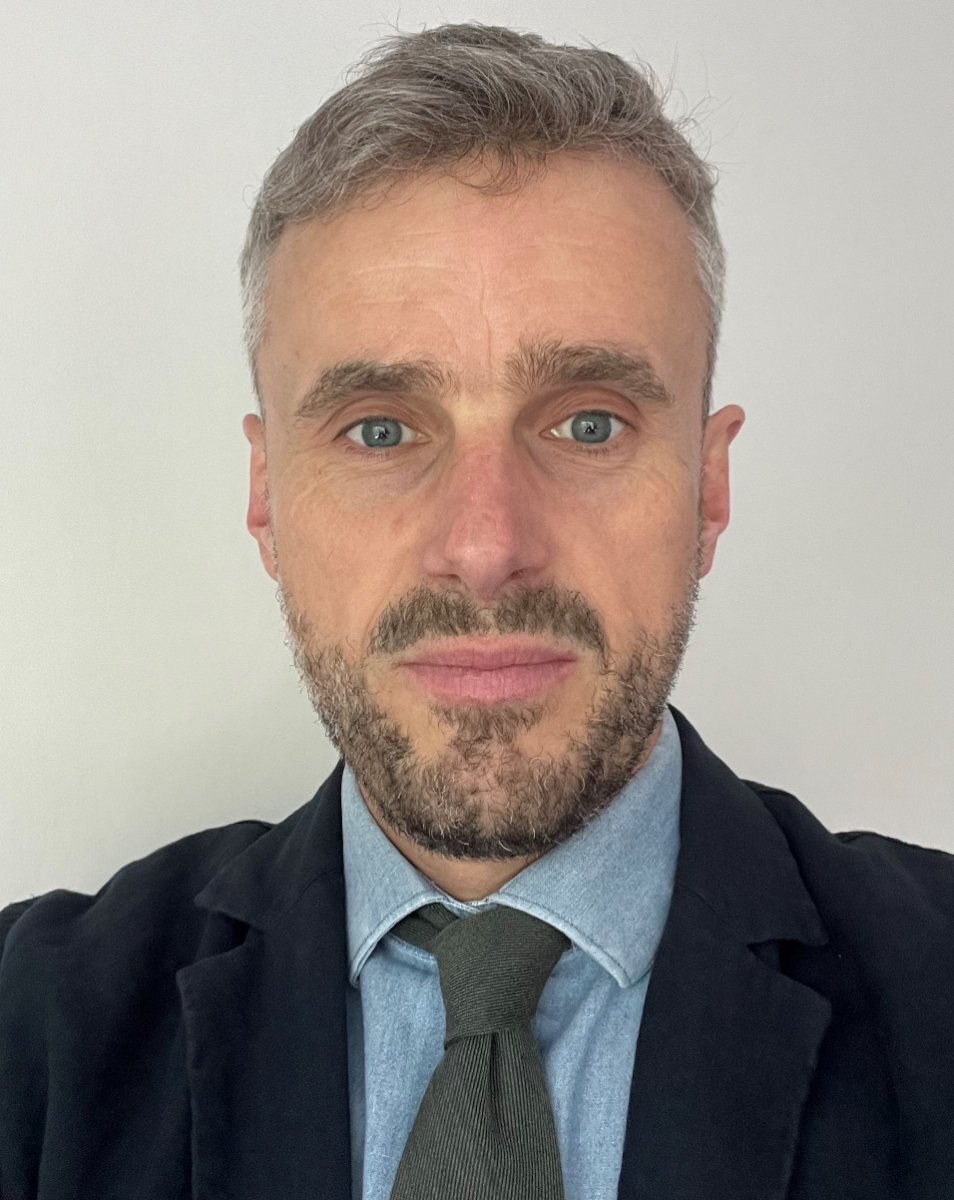
Our topic leaders are an integral part of ensuring the value of content on the hub. We want to ensure that quality content is published on the hub and that we have credible experts in specific topic areas to advise us on the validity of posted content, suggest areas to develop content in and lead discussions within our communities.
Our topic leaders are volunteers and act in an advisory role with the shared aim of creating a patient-safe future. They are experts by profession or experience in their specific topic area and have many years’ experience in patient safety.
If you are interested in becoming a topic leader for the hub, please read the role description below and send a CV and a brief covering letter outlining why you are interested in becoming a topic lead and relevant experience you can bring to the role to [email protected].
Topic lead role description.pdf
Current topic leaders
James Andrews - Medication

James Andrews is a pharmacist by profession and over the last 20 years has worked in lots of different private and NHS sectors of pharmacy practice. This includes front-line community pharmacy, working directly in general practice and as a national quality lead role for a large community services provider that covered everything from prison healthcare to paediatric and district nursing. During the Covid pandemic James worked as a senior pharmacist in a hospital and for the last 3 years he has been the Superintendent for multiple outpatient pharmacies, including specialist cancer care
Jemma Barton - Implementation of improvements
Jemma is a safety professional with over 20 years of experience in patient safety, clinical governance and continuous quality improvement in healthcare organisations in the UK. Jemma’s work is characterised by a commitment to governance frameworks and the effective investigation, learning and improvement from complex patient incidents and events.
In the role Safety & Mortality Programme Lead at Aqua, Jemma play’s a pivotal role in developing and promoting safety improvement strategies. Jemma role at Aqua focuses on ensuring that safety measures are integrated at various levels of healthcare delivery, thereby fostering an environment of continuous improvement in patient care.
In a previous position as Head of Quality Improvement and Clinical Effectiveness at North Cumbria Integrated Care NHS Foundation Trust (NCIC), Jemma led strategic initiatives in safety quality improvement, clinical audit, and patient safety. Jemma’s leadership was instrumental in establishing governance frameworks and managing complex patient incidents, with a particular emphasis on the Duty of Candour.
Jemma’s leadership in high-profile incident investigations through a system learning approach has led to significant improvements at both local and national levels. Jemma efforts have been vital in guiding Trusts to adopt system-based investigations and learning methodologies for patient safety incidents, ensuring a comprehensive and effective approach to healthcare quality and safety.
Gethin Bateman - NHS Wales – paramedicine, investigations
Gethin works for NHS Wales Informatics Service (NWIS) as a serious clinical incident investigation manager and has been employed by the Welsh Risk Pool since December 2018, where he was recently appointed as principal safety & learning advisor. He is a registered paramedic and has worked in the NHS since 2003.
Since July 2017, Gethin has been part of the Clinical Informatics Assurance team at NWIS. The team ensures learning is taken from incidents and focuses on effective investigation and risk management processes associated with NWIS services. This work involves liaison with staff, specialist clinicians and technical experts from Welsh NHS Trusts, Public Health Wales, the Welsh Government and external contractors.
Prior to joining NWIS, Gethin was a patient safety & clinical risk manager for the Welsh Ambulance Services NHS Trust, where he dealt with adverse incidents, serious adverse incidents, complaints, claims and coroner’s inquests. Gethin has held a variety of clinical and managerial positions during the course of his employment with the Welsh Ambulance Services NHS Trust as well as undertaking the role of regional on-call silver (tactical) officer.
Gethin has taken the National Patient Safety Agency (NPSA) Root Cause Analysis and Lead Investigator Course and holds a Level 7 Advanced Professional Award in Complaints Handling and Investigations. He has also gained his NEBOSH National General Certificate in Occupational Safety & Health, completed Clinical Safety Officer training with NHS Digital, and has trained in Human Factors in Accident & Incident Investigation with the Health and Safety Executive. Gethin is an Affiliate Member of the Institute of Occupational Safety and Health (IOSH). He is a member of the College of Paramedics and maintains his paramedic clinical practice through a combination of honorary and bank contracts with the Welsh Ambulance Services NHS Trust.
In his spare time, Gethin is the Level 2 rugby coach and Head Coach of St David’s RFC 1st XV. He is also a councillor and current chairman of his local community council.
Paul Bowie - Human Factors
Paul is a safety scientist, medical educator and chartered ergonomist and human factors expert with around 30 years of experience leading and collaborating in research, innovation and educational development to improve the quality and safety of healthcare in the UK and globally. He has provided expert risk and safety consultancy to medical defence, independent investigation, commercial healthcare, aviation, military and academic organisations. Paul is currently Programme Director (Safety and Improvement) with NHS Education for Scotland. based in Glasgow. He also provides educational consultancy to the Healthcare Safety Investigation Branch and Staffordshire University MSc in Human Factors for Patient Safety in England.
In 2004, Paul gained his doctorate in significant event analysis in primary healthcare from the University of Glasgow. He has published over 160 articles in international peer-reviewed healthcare journals and co-edited a book on patient safety and quality improvement in primary care.
Paul is Honorary Professor and a PhD supervisor and examiner in the School of Health and Wellbeing at the University of Glasgow, and Adjunct Professor at Queen’s University in Ontario, Canada. He is an Honorary Fellow of the Royal College of Physicians of Edinburgh and the Royal College of General Practitioners, and a Registered Member of the UK Chartered Institute of Ergonomics and Human Factors, where he is also the Healthcare Sector Group Lead on Patient Safety.
Claire Cox - PSIRF and investigations
Claire brings extensive experience in patient safety, healthcare investigations and systems-based learning. As a Patient Safety Investigator and Associate Director of Patient Safety at Patient Safety Learning, she has dedicated her career to improving the safety of healthcare systems and helping organisations learn effectively from patient safety incidents. With more than 20 years of NHS experience, Claire has worked across clinical practice, quality improvement, patient safety leadership and incident investigation. Her passion for patient safety has been shaped by frontline experience and strengthened through a range of leadership roles focused on reducing avoidable harm and improving learning across healthcare.
Claire is well known for her commitment to creating safer healthcare systems through collaboration, shared learning and the application of human factors and systems thinking. She is the founder and chair of the Patient Safety Management Network, a peer-support community that connects patient safety professionals from across health and care to share experiences, challenges and practical solutions.
Her expertise is particularly valuable as healthcare organisations continue to embed the Patient Safety Incident Response Framework (PSIRF). Claire has been a strong advocate for moving beyond blame-focused investigations and towards approaches that seek to understand how systems, environments and organisational factors influence safety outcomes. She is passionate about ensuring that investigations lead to meaningful learning, improvement and positive change for patients, families and staff. As topic lead for PSIRF and investigations on the hub, Claire will help shape conversations, share practical insights and highlight learning from across the healthcare landscape. Through blogs, discussions and shared resources, she will support members in understanding the principles of PSIRF, developing effective investigation practices and building cultures that promote openness, curiosity and continuous improvement.
Ron Daniels - Deterioration
Dr Ron Daniels BEM is a consultant in critical care at University Hospitals Birmingham NHS Foundation Trust. He is a Fellow of the Royal College of Physicians of Edinburgh, Royal College of Anaesthetists and Faculty of Intensive Care Medicine.
Ron is chief executive of the Global Sepsis Alliance, having been instrumental in bringing World Sepsis Day and the World Sepsis Declaration to fruition. In May 2017, following unanimous approval of the Executive Board of the World Health Organization, he was part of an Executive Board that secured the adoption of a Resolution on sepsis by the 70th World Health Assembly.
He is also chief executive of the United Kingdom Sepsis Trust, a registered charity, in which capacity he provides clinical advice to NHS England, Public Health England and the Department of Health. He has lobbied the UK Government and devolved governments in Scotland and Wales over several years, resulting in the development of a national commissioning incentive for sepsis in England, a NICE Clinical Guideline and Quality Standard and a public awareness campaign on sepsis in children.
Ron and his team developed both the ‘Sepsis Six’ care bundle, now in use in 36 countries, and the clinical concept of ‘Red Flag Sepsis’. Both are endorsed and recommended by the UK Royal Colleges and by NHS England and in 2019 were formally endorsed by NICE. The UK Sepsis Trust has also been instrumental in delivering reports from the National Confidential Enquiry into Patient Outcome and Death (NCEPOD), the All Party Parliamentary Group on Sepsis and the NHS Cross System Programme Board on Sepsis.
Sunny Deo - Surgery (orthopaedic and trauma)
Sunny Deo is a Consultant Orthopaedic and Trauma Surgeon at Great Western Hospital NHS Foundation Trust, where he has been the Clinical Lead for the Trauma and Orthopaedic Department since 2011. Prior to this, Sunny trained and worked at hospitals across the UK and in Cape Town and Vancouver. He specialises in knee problems including sports injuries, arthritic conditions and patients with problematic joint replacements.
Sunny has extensively researched a range of subjects, including clinical and diagnostic complexity, outcomes following knee replacements, peri-articular fractures, knee ligament injuries, hip fractures and paediatric fracture care, publishing over 40 peer-reviewed journal articles and presenting at many national and international meetings.
He lives in the Cotswolds with his wife and has four children. He enjoys keeping fit, playing football and tennis, watching plays and films, and factual reading.
Deborah Dover - Mental health
Deborah is an NHS Consultant Child and Adolescent Psychiatrist, and Director of Patient Safety. She has experience as a Child and Adolescent Mental Health Service (CAMHS) transformation lead, Suicide Prevention Lead, Named Doctor for Safeguarding Children, Associate Medical Director for Quality Improvement and recently spent three years as Deputy Medical Director. In her current role Deborah leads on delivery of an ambitious five-year safety plan, focussed on safety culture, systems, learning and improvement. She is also the Senior Responsible Officer for PSIRF implementation.
Deborah has always been committed to clinical quality improvement, but it was her personal experience as a sibling affected by her brother's psychotic illness, and then by his tragic death, that gave her the added drive to specialise in safety improvement. Her aim is to put service users' and carers' intelligence and insights at the heart of this work.
Martin Fletcher - Professionalisation and regulation
Martin is a recognised leader in health regulation, patient safety and clinical governance. As the inaugural Chief Executive Officer of the Australian Health Practitioner Regulation Agency between 2009 and 2025, he led the establishment and growth of Australia’s national multi-profession regulatory system over fifteen years—now responsible for regulating more than 900,000 health practitioners across 16 professions.
Martin’s career spans leadership roles in Australia, the UK and with the World Health Organization. He served as Chief Executive of the National Patient Safety Agency in England from 2007-2009. At WHO, he helped establish a global programme of work for the World Alliance for Patient Safety, including the development of the first international taxonomy for patient safety incidents.
Martin is an Adjunct Professor at RMIT University in Melbourne, Australia, and serves on the Board of the International Association of Medical Regulatory Authorities. He holds a Master of Management in public sector leadership, an Honours degree in behavioural sciences, and a Bachelor of Social Studies. He has also served as the Co-Director of the WHO Collaborating Centre for Health Workforce Regulation in the Western Pacific Region and continues to do advisory work on regulatory reform with WHO.
A keynote speaker and published author, Martin is widely respected for his commitment to regulatory reform, and advocacy for compassionate and evidence-informed regulation.
Jonathan Hazan - Digital health
Jonathan studied computer science at Durham University. His career began at Datix, where he progressed from programmer to chief executive, growing the company internationally and working with organisations around the world to design and implement patient safety reporting and learning systems. Jonathan stepped down as chief executive of Datix at the end of 2015 and started work on what was to become Patient Safety Learning. In 2016, Jonathan helped to found a cybersecurity startup in the USA, taking the role of chair until the business was sold to a large Silicon Valley corporation in 2018. Jonathan is now chair of the board of trustees of Patient Safety Learning. His other interests include trustee of AvMA, advisor to Perfect Ward and member of the external advisory board of the Computer Science Department at Durham University.
Angela Hayes - Climate change and sustainability
Angela is currently sponsored by Micro-tech UK, to work for the Centre for Sustainable Healthcare as a Nurse Fellow and Project lead. She is responsible for the implementation of the national Green Team Nursing Challenge, the Centre for Sustainable Healthcare’s Nursing & Midwifery network; and for developing bespoke training for nurses in sustainable healthcare. She has received awards for her sustainability work – including the British Journal of Nursing’s Sustainability Nurse of the Year.
Angela worked recently as a Clinical Nurse Specialist in Specialist Palliative Care at The Christie Hospital in Manchester. She has a nursing background in Intensive Care, Management and Teaching.
Sally Howard - Leading for improvement
Sally has held national and local leadership roles within the NHS in a career spanning more than 30 years. A respected leader who is passionate about improvement and inclusivity, she is trained in quality improvement methodologies and has spent the last 20 years in their practical application.
She is also a practising coach, believing success is rarely just about ‘what’ you do, it’s also ‘the way that you do it’. She works with leaders of small and large teams as a ‘thinking partner’ to help people be their best selves at work:
- offering both challenge and support
- encouraging curiosity and bravery
- building confidence and resilience – few improvement journeys are plain sailing
- and sharing a few improvement tools along the way.
She has run collaborative improvement programmes nationally and worked with organisations facing significant challenges. Over the last two years has worked on the roll out of the Patient First Improvement System in Brighton and Sussex University Hospitals NHS Trust, melding it with work that had gone before and working intensively with wards and departments to build a culture of continuous improvement.
She has also worked as an investigating officer for the Office of the Health Service Commissioner and has experienced the ‘great’ and the ‘not so great’ as a carer for her own family.
Sandra Igwe - Black maternal health
Sandra Igwe is a Black maternal health advocate, TEDx speaker, and is the Founder of The Motherhood Group, a social enterprise that supports the Black maternal experience by delivering community-based events, training workshops, peer-to-peer support, national campaigns. Sandra is also a Trustee for Birthrights Charity and the co-chair of their National Inquiry into Racial Injustice in Maternity Care.
Sandra is the author of My Black Motherhood: Mental Health, Stigma, Racism and the System.
Richard Jones - Artificial intelligence (AI)
With over 30 years spent in advanced technologies, Richard has extensive experience as an entrepreneur, working in strategy development, business planning and creating commercial implementations for companies. He has co-founded businesses across four continents that have delivered up to 300x returns on first round.
Richard is president of C2-Ai, one of 10 ‘Essential Digital Health Ideas for a UK National Covid Response’ according to Healthcare UK. He was a COGX keynote speaker on the Global Leadership stage and won two awards for C2-Ai, including the prestigious Overall Tech4Covid award.
Richard was the only private sector member of a national regulator’s synthetic AI patient record and medical AI software validation project. In addition to his work at C2-Ai, he holds positions in an AI/high performance computing business, an AI-based healthcare company, a stealth mode AI start-up and telecoms businesses in the UK and Africa. He is the author of three business books translated into multiple languages.
Richard received an MBA with distinction from the Warwick Business School and will be restarting a doctorate in technology strategy when he finds a spare moment or ten!
Risa Mallory - Patient engagement
Risa is a retired psychotherapist from Canada. She became an advocate for patient healthcare following a serious cardiovascular event in 2018. Through her collaboration with local, national and international healthcare organisations and institutions, she contributes the perspectives, priorities and feedback of patients to healthcare decision-making at all levels, from individual care to organisational policymaking. She firmly believes that knowledge is power and that every individual can impact their health, and the health of their communities, through increased literacy, open dialogue and advocacy.
Sanjiv Sharma - Leadership and paediatrics
Professor Sanjiv Sharma is the Chief Medical Officer at Barts Health NHS Trust. Sanjiv was previously Deputy Chief Executive at Great Ormond Street Hospital for Children NHS Foundation Trust (GOSH), where he has also served as Chief Medical Officer since 2018. A Consultant in Paediatric Intensive Care, Sanjiv continues to practise clinically alongside his leadership roles.
He has a strong national and international profile in clinical leadership, safety, and paediatric care. As Executive Medical Lead through the COVID-19 pandemic at GOSH, he directed major safety transformation work, led the Trust’s quality improvement and medical education strategies, and spearheaded the award-winning Clinical Prioritisation Programme (HSJ Value Award, 2021).
A Fellow of both the Royal College of Paediatrics and Child Health and the Faculty of Intensive Care Medicine, Sanjiv has held system leadership roles across North Central London and beyond, including as Senior Responsible Officer for specialist service redesign, genomic strategy, and international safety collaborations. He is also an Honorary Professor at the University of Stirling and Visiting Professor at Bayes Business School, and sits on the London Clinical Senate Council.
Sanjiv holds an Executive MSc in Medical Leadership and an MA in Clinical Education, and has received multiple national awards for excellence in medical education, leadership, and service improvement. He is a trustee of the Roald Dahl Marvellous Children’s Charity and an active voice in health equity, safety culture, and workforce innovation.
Peter Sidgwick - Paediatrics
Peter is a consultant in the Paediatric Intensive Care Unit (PICU) at Great Ormond Street Hospital (GOSH), where he is also Co-Associate Medical Director for Safety. He has experience of clinical and operational leadership roles at GOSH and the North Thames Paediatric Network and is an Associate Adviser with NHS Resolution. As safety lead at GOSH, Peter is committed to leading a team delivering patient safety expertise founded on rigour, compassion and curiosity as embedded within the PSIRF principals.
Peter maintains a full clinical practice in PICU, including retrieval medicine, and believes strongly that keeping patients safe through their complex care journeys requires each and every team member to understand and participate in the patient safety processes at every step. He sees the work of Patient Safety Learning and the hub as essential resources for all working in patient safety and aims to add to support and represent paediatric patients and their carers in this space.
Julie Smith - Patient information
Julie is Content Director of EIDO Patient Information at Radar Healthcare. She oversees a library of leaflets used to support patients in making informed decisions about their care, with a focus on medical procedures and operations. Julie and her team are trained in Plain English, risk communication, easy-read information, translation processes and more.
Julie is a healthcare editor by background and previously worked at MA Healthcare as Editorial Director, overseeing 25 healthcare journals. She was also the Editor for a number of journals while at MA Healthcare, including the British Journal of Nursing and British Journal of Community Nursing. She is a member of the PIF TICK steering group and a Trustee and Board Member of the Lindsay Leg Club Foundation.
.Julie Storr - Leadership
Julie is an MBA graduate and graduate nurse from the University of Manchester, where she also trained as a health visitor. She is co-founder and director at S3 Global and has worked internationally for the last 15 years, predominantly as an expert with the World Health Organization (WHO). In this role she has worked on the development, implementation and evaluation of global improvement programmes in the field of patient safety, quality and infection prevention and control (IPC), with a focus on behaviour change.
She is currently supporting WHO’s Water Sanitation and Health (WASH) and Quality Systems and Resilience units. Her technical and leadership expertise was called on to support WHO’s Ebola response and recovery efforts in 2014/15, with a focus on national IPC policy development in Sierra Leone. She has led on the development of evidence-based WHO Guidelines (Core Components of Infection Prevention and Control Programmes at the National and Acute Health Care Facility Level, 2016) and implementation support packages (Core Components and Carbapenemase resistant organisms) and was part of the development team for the WHO surgical checklist.
Julie is a past president of the Infection Prevention Society of the UK and Ireland, was an assistant director for patient safety at the English National Patient Safety Agency and was director of the award-winning national ‘cleanyourhands’ campaign. She has authored a book, Perspectives and Perceptions of IPC, which was published widely in academic literature and is currently writing a follow up book focused on IPC and the social sciences. She sits on the steering group of and is social media coordinator for Healthcare Information for All (HIFA) and is a trustee of Peoples Uni.
Samantha Thomas - GP and primary care
Samantha joined NHS Resolution as an associate safety and learning lead for London in December 2021. April 2023, she became the interim national safety and learning lead for General Practice and is currently interim safety and learning lead for midlands and east. Her primary goal is to increase awareness of risk and learning from claims data among primary care and secondary care professionals in the integrated health system, in order to support safe practise and improve patient safety.
She is delivered the primary care virtual webinar series on topics such as psychological safety, learning from venous thromboembolism claims, and learning from dermatology claims. She co-authored NHS Resolution’s ‘Did you know?’ leaflets on extravasation claims and paediatric medicine error claims and is currently completing a thematic review of delayed diagnosis of cancer claims in general practice.
Samantha has a background in nursing, patient safety and clinical governance. Qualifying as a paediatric nurse in 2008, Samantha has worked across various London trusts providing care in patient homes, the community and private sector as well as operational and strategic governance roles. She holds a BSc (Hons) in Health visiting, a MSc in Public Policy and Management and a Post graduate certificate in leadership and improvement for health services. Key commitments include improving health literacy and transparency in healthcare and her special interests in organisational culture, human factors, compassionate leadership and system thinking. Samantha’s favourite non-fiction books include ‘Black box thinking’ by Matthew Syed and ‘Mistakes were made but not by me’ by Carol Tavris and Elliot Aronson.
Aurora Todisco - Patient engagement
Aurora Todisco is a Finance, HR, and Governance Development Lead with over 21 years of experience, including the past 9 years dedicated to the health and social care sector. She brings a unique blend of strategic expertise and lived experience to her work, with a strong focus on improving patient safety, health equity and quality of care. Aurora holds a Postgraduate Diploma in Advanced Primary Care Management, which informs her systems-level approach to healthcare leadership. Since 2021, she has co-produced initiatives with nearly 90 national stakeholders, driving forward accessibility inclusion, and trauma-informed practice across NHS, academic and research settings. Actively involved in quality improvement programmes, accreditation panels and advisory groups, Aurora is passionate about amplifying patient and public voices to shape meaningful, system-wide change. Her work champions the power of real patient stories in creating campaigns that lead to safer, more equitable care for all.
Sharon Weldon - Transformative Simulation
Professor Sharon Weldon is Professor of Healthcare Simulation & Workforce Development at the University of Greenwich and President of the Association for Simulated Practice in Healthcare (ASPiH). She is the architect of the Transformative Simulation (TfS) framework, which positions simulation as a vehicle for system-level change. Her work spans patient safety, human factors, leadership, and digital innovation, with national and international collaborations focused on improving the quality and safety of care.
Hugh Wilkins - Whistleblowing
Hugh is a clinical scientist and has spent most of his career working in hospitals and universities in the UK and overseas, mostly in the NHS. He has extensive experience in service delivery, research and development, and education and training. This includes managing and leading medical physics, nuclear medicine, bone densitometry and radiation safety services. He is a qualified Medical Physics Expert (MPE) and Radiation Protection Expert (RPE), roles required by legislation which protect patients, carers, staff, members of the public and the environment from the harmful effects of radiation.
Hugh has gained unwanted insight into the phenomenon of hostility towards staff who raise valid concerns through his own experience of simply doing his job in reporting, through internal NHS trust channels, areas of non-compliance with patient safety legislation. He has come to know many others who have been subjected to unfair disciplinary processes after raising concerns in the public interest, mostly related to patient safety.
Hugh welcomes the evidence-based approach of Patient Safety Learning. He hopes to help raise awareness of the realities of widespread reprisals against whistleblowers and to contribute to moves to make it safe and effective for staff to speak up. He believes that the hub is potentially a very effective forum for furthering these aims and would like to encourage contributions on this topic.










.JPG.b66a524ed1feb22ecfbeec33ac01d1f0.JPG)